
Blog series by Joann Evans
Joann Evans holds a B.S. in microbiology and chemistry. She is also a certified Paralegal. She has 20 years’ experience in quality assurance, control and engineering in fields such as pharmaceutical, medical device, IVD, biotech and blood banking. This blog series is her journey through being coached and then earning her coaching certification.
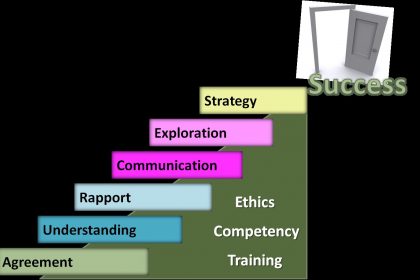
Our second coach training class was on coaching ethics. This is a critical subject and training on ethics is expected prior to membership in the ICF. While many of us are naturally honest albeit potentially naïve to the potential ways of the world, it is true that people can be unethical. They can even be intentionally unethical. Often they will even figure out a way to justify why they do what they do. Without strict stand ards for the profession people will be able to plead ignorance.
By establishing and releasing self-regulating standards such as a code of Ethics it becomes very clear what standards for conduct are expected of professionals. When coaches don’t proclaim adherence to these standards I believe a prudent client should be on notice. As they say: buyer beware!
When we talk about ethics the question can be asked, “How are ethics defined?” The ICF provides a definition of coaching and a preamble to outlined professional conduct but does not provide a definition for “Ethics.” Merriam Webster defines the word as the rules of behavior based on ideas about what is morally good and bad. It is an area of study that deals with ideas about what is good and bad behavior a branch of philosophy dealing with what is morally right and wrong; a belief that something is very important. The Center for Coaching Certification class explained both how ethics develop and what a code of conduct is before going through it. Despite the fact that most people know intuitively what the definition is, I feel it is important to state this definition. The ICF did the work by refining the Code of Ethics and lays out what is morally good behavior for coaches.