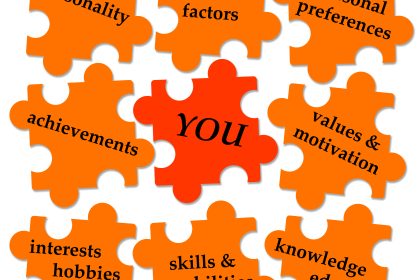


Coaching is often associated with professional or personal development. Many people find that using coaching techniques at home helps improve communication, motivation, and problem-solving within the family. Coaching can support personal growth and strengthen relationships by encouraging open dialogue and focused goal setting.
Applying coaching methods in family life allows individuals to better understand each other’s wants and challenges. Coaching promotes a positive and collaborative atmosphere that fosters learning and development for everyone involved.
By adopting a coaching approach, people can build confidence, overcome obstacles, and create a more balanced home life. The skills learned in training with professional coaching programs are practical and adaptable, making it a valuable tool beyond work or sports settings.
Parents can use coaching skills to improve their relationship with their children by focusing on problem-solving, communication, and goal setting. This involves teaching children self-regulation, empathy, and responsibility for conversations, practicing mindfulness, and using role-playing to build understanding. Parents can also engage a family coach to gain personalized support and learn strategies to navigate challenging behaviors and build a more supportive family environment.
Understanding Home Coaching
Home coaching focuses on practical, goal-oriented support within the family or personal environment. It encourages skill-building, better communication, and problem-solving tailored to everyday life challenges. Whether you’re interested in exploring coaching training for your own development or seeking a coach for your household, understanding the fundamentals is essential.
What Home Coaching Involves
Coaching at home can be the parents learning to coach and applying those skills in family conversations or it can be engaging a family coach.
Home coaching typically includes guiding individuals or families to improve relationships, manage time, and set personal goals. It is a collaborative process where the coach helps you identify strengths and areas for growth. Techniques like active listening and questioning encourage self-reflection.
Sessions may address issues such as parenting strategies, conflict resolution, or balancing work and home life. They do not give direct advice or solve problems for clients. The goal is to empower individuals to find their own solutions and maintain progress independently.
Types of Coaching for Home Settings
There are various coaching forms suited to home use. Family coaching targets dynamics between family members to improve interaction and understanding. Parenting coaching focuses on strategies specifically for raising children effectively. Some trained coaches specialize in working with ADHD or adoption as examples. Professional coaches today have completed online coaching training or coaching certification classes to gain expertise in these specialized areas, ensuring they use evidence-based guidance.
Distinction Between Coaching and Therapy
Coaching and therapy differ mainly in focus and method. Therapy often explores past trauma and emotional healing, aiming to resolve psychological issues. Coaching emphasizes current or future goals and strategies or actions without diagnosing or treating mental health disorders.
While therapy can be more intensive and clinical, coaching is practical and forward-looking. Coaches do not address mental illness or deep emotional pathology. They work to improve communication, habits, and mindset within everyday contexts. Clients who require mental health support are best served by licensed professionals and for those who want to design their best life, coaching makes more sense.
Benefits of Coaching at Home
- Gain a neutral perspective: A parent coach can offer neutral, external observations on family dynamics.
- Develop personalized strategies: A coach works with the family to create customized strategies that address your family’s specific objectives and values.
- Enhance communication skills: Coaching can help parents adapt their communication style for different ages and promote more open communication within the family.
- Manage stress: Coaching can help create strategies for self-care, stress management, and setting boundaries to help everyone in the family stay calm and intentional.
- Address specific challenges: Coaching models practical tools for handling difficult situations like tantrums, sibling conflicts, or setting boundaries.
Coaching at home can support clear guidance and structure for personal development and relationship improvement. It supports practical changes in daily habits and communication that positively impact family life and individual wellbeing.
When the parents learn coaching, typically for their careers, it serves them at home in terms of how they communicate and what they model. When the family engages with a coach, it serves them to create desired habits and positive communication.
We will continue next week with Personal Growth and Self-Improvement.
Until then, please visit us at www.CoachCert.com or www.Coach-123 com.