

Book Review
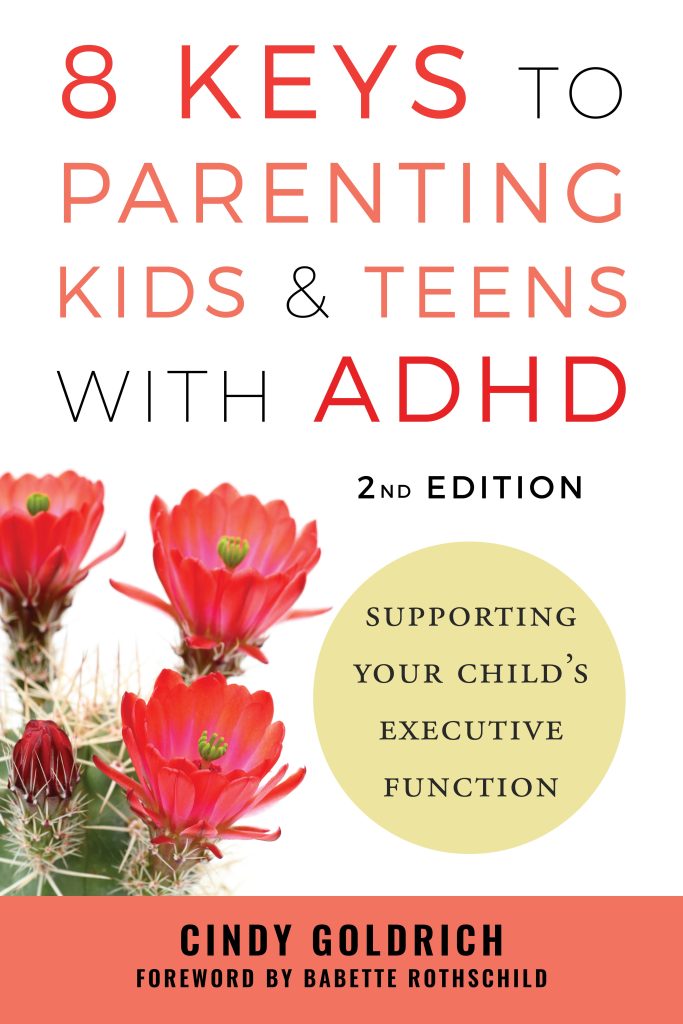
8 Keys to Parenting Kids & Teens With ADHD: What Every Parent Needs to Know by Cindy Goldrich 
Parenting is never simple and parenting a child with ADHD can feel like navigating a world with its own rules, rhythms, and surprises. In her book 8 Keys to Parenting Kids & Teens With ADHD, Cindy Goldrich combines neuroscience, practical strategies, and decades of coaching experience to help parents understand their child’s struggles and support their growth.
This blog-style summary brings together the core ideas of the book so you can quickly grasp the essentials and start applying them at home.
Why ADHD Isn’t What Most People Think It Is
ADHD is not caused by bad parenting, a lack of discipline, too much sugar, or too much screen time. It is a neurodevelopmental condition with well-documented differences in brain activity, especially in areas that regulate:
- attention
- impulse control
- emotional regulation
- organization and planning
- motivation
Kids with ADHD aren’t choosing to be difficult. Their brains are wired differently, and once you understand how those differences show up, everything about parenting becomes clearer.
ADHD is also deeply tied to executive function, EF, skills. These are the brain’s management abilities like starting tasks, planning ahead, regulating big emotions, and staying organized. Most kids with ADHD lag behind their peers in these EF skills by 3–5 years. This gap often explains why bright children struggle with seemingly simple daily tasks.
The 8 Keys Every Parent Should Know
Below are the eight essential principles Goldrich teaches to help parents guide, support, and truly understand their child with ADHD.
Key 1: Get Educated
The more you understand ADHD, the more effectively you can respond.
Kids with ADHD aren’t being lazy. They aren’t unmotivated. They’re often overwhelmed, flooded, dysregulated, or trying to keep up with a brain that doesn’t process time, emotion, or instructions like a typical child.
Learning how ADHD affects learning, behavior, and relationships empowers you to parent with confidence.
Key 2: Create Calm
Calm isn’t a luxury; it’s a requirement.
Children with ADHD are highly sensitive to emotional tone. Chaos triggers chaos and calm creates safety. When parents learn to regulate themselves first by slowing down, breathing, and responding instead of reacting, children follow their lead.
Calm is the foundation for cooperation, connection, and growth.
Key 3: Strengthen Connection
Connection comes before correction.
When children feel safe, understood, and accepted, their ability to listen, collaborate, and recover from setbacks improves dramatically. Connection builds:
- trust
- resilience
- self-esteem
- motivation
A connected child is a teachable child.
Key 4: Cultivate Good Communication
Kids with ADHD need communication that is:
- clear
- brief
- concrete
- non-emotional
- specific
Long lectures don’t work. Punitive language backfires. Effective communication focuses on collaboration, not control and helps build the child’s problem-solving and self-advocacy skills.
Key 5: Teach Collaboration
Instead of “Do it because I said so,” Goldrich emphasizes working with your child, not against them.
Shared problem-solving teaches them how to:
- identify challenges
- brainstorm solutions
- negotiate needs
- evaluate outcomes
Collaboration helps kids take ownership of their choices and builds their confidence and maturity.
Key 6: Achieve Clarity & Consistency
Predictability reduces stress both for kids and parents.
Children with ADHD rely on:
- routines
- visual schedules
- clear expectations
- consistent follow-through
When structure is predictable, kids feel safer, more in control, and better prepared to manage their responsibilities.
Key 7: Build Impactful Consequences
Consequences shouldn’t be about punishment; they should be about teaching skills.
Many traditional reward systems, sticker charts, or punishments don’t work for kids with ADHD, because their brain’s reward centers function differently. Impactful consequences focus on:
- learning
- accountability
- reflection
- growth
The goal is to help the child internalize skills.
Key 8: Navigate Choices
ADHD makes decision-making hard.
Parents can help by:
- offering limited, structured choices
- teaching decision-making steps
- helping children evaluate risks
- building independence gradually
Empowering kids at a pace that matches their developmental readiness creates competence and confidence for adulthood.
Seeing the Whole Child
One of the most powerful ideas in this book is Goldrich’s mantra:
“Parent the child you have.”
- Not the imaginary child.
- Not the child you wishthey were.
- Not the child others expect them to be.
Your child, exactly as they are, is whole, capable, creative, and full of potential.
When you see their strengths as clearly as their challenges, everything changes.
Why This Book Matters
ADHD affects every aspect of a child’s life: academic, emotional, social, and family dynamics. Without support, the long-term risks are real: school failure, low self-esteem, substance misuse, depression, and more.
With understanding, structure, and compassionate parenting, children with ADHD can:
- succeed
- thrive
- excel
- discover their strengths
- build meaningful lives
Their brains aren’t broken; they’re wired differently, often with extraordinary creativity, perspective, and resilience.
This book gives parents the roadmap to help their children reach their full potential while strengthening the entire family system.